 By Samuel Jose
Our homes are more than just physical structures that shield us from the elements. They act as mirrors of our internal states, actively influencing our moods, productivity levels, and overall well-being. When a living space feels chaotic, stagnant, or draining, it often reflects a disruption in the way energy moves through the environment. The ancient Chinese practice of Feng Shui provides a systematic framework to address these imbalances, allowing homeowners to harmonize their living spaces with the natural world.
The Golden Rule of Feng Shui: Clearing the Pathways of Qi
Before you can manipulate the energy of a room using colors or specific materials, you must remove the physical obstacles that cause energy to stagnate. In Feng Shui, clutter is viewed as a physical manifestation of blocked progress. When a room is crammed with unnecessary items, the flow of Qi slows to a halt, creating a heavy, oppressive atmosphere that can induce feelings of lethargy and mental fog.
Think of the energy entering your home much like water flowing through a stream. If the stream is choked with rocks, branches, and debris, the water pools, becomes stagnant, and loses its vitality. Similarly, walkways, doorways, and hallways must be kept entirely clear to allow energy to circulate seamlessly from one room to the next.
-
Clear the entryways: The main entry door is considered the mouth of Qi, the primary portal through which all opportunities and fresh energy enter your life. Remove piles of shoes, overflowing coat racks, and junk mail from this area immediately.
-
Address hidden clutter: Storing items under the bed or packing closets to maximum capacity blocks energy even if the items are out of direct sight. Under-the-bed clutter is particularly detrimental, as it directly disrupts the restorative energy needed for high-quality sleep.
-
Repair broken items: Cracked mirrors, dripping faucets, jammed doors, and burnt-out light bulbs represent broken energy and drained resources. Repairing or replacing these elements restores the functional integrity of your home.
Mastering the Commanding Position
One of the foundational concepts within Feng Shui architectural placement is the commanding position. This principle governs how you position yourself relative to the entryways of a room, specifically when utilizing three essential pieces of furniture: the bed, the desk, and the stove. The commanding position determines your subconscious sense of safety, authority, and control over your life circumstances.
To place a piece of furniture in the commanding position, it must be situated so that you can clearly see the main entrance of the room while utilizing it, without being directly in line with the doorway. When you sit at a desk or lie in bed with your back to the door, your subconscious nervous system remains in a state of low-level alertness, anticipating a potential surprise or intrusion. By shifting your position to face the entrance diagonally, you establish visual dominance over the space, calming the nervous system and enhancing focus.
If the structural layout of a room makes it impossible to face the door while working at your desk or lying in bed, you can use a simple correction tool. Place a well-positioned mirror in front of your workstation or bed so that it reflects the doorway behind you. This visual workaround eliminates the blind spot, effectively restoring the commanding position.
Balancing the Five Elements
Feng Shui uses the observation of nature to inform interior design, categorizing the physical world into five distinct elements: wood, fire, earth, metal, and water. Each element evokes a specific psychological state and energetic frequency. A truly optimized home features a thoughtful balance of all five elements, preventing any single energy type from overpowering the household.
Wood represents growth, vitality, and expansion. It can be introduced through living house plants, green textiles, or natural wood furniture. Fire embodies passion, high energy, and transformation. It is represented by natural sunlight, candles, lighting fixtures, and red or bright orange accents. Earth signifies stability, grounding, and support, manifested through ceramics, clay pots, heavy stones, and warm neutral colors like beige and terracotta.
Metal corresponds to clarity, precision, and efficiency. It is present in metallic hardware, round shapes, and shades of white, gray, and metallic finishes. Finally, water governs intuition, wisdom, and emotional flow. It is introduced through actual water features like fountains, dark reflective surfaces, mirrors, and deep shades of navy or black. If a home feels cold and clinical, it may suffer from an excess of metal and water, requiring the addition of wood and fire elements to cultivate warmth and hospitality.
Optimizing Key Rooms for Daily Vitality
While every corner of a house contributes to its overall energetic signature, three rooms serve as the primary pillars of health and prosperity in Feng Shui philosophy: the bedroom, the living room, and the kitchen.
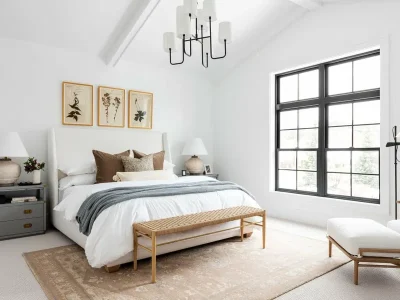
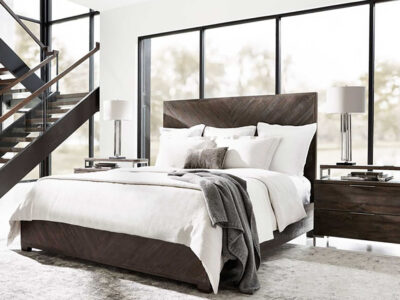
The bedroom is dedicated entirely to rest, romance, and restoration. To protect your personal energy while sleeping, ensure the bed features a solid headboard placed securely against a solid wall, rather than positioned directly beneath a window. Minimize the presence of active electronics, and avoid hanging large, heavy artwork or mirrors directly over the headboard, as these items create a subconscious sense of instability.
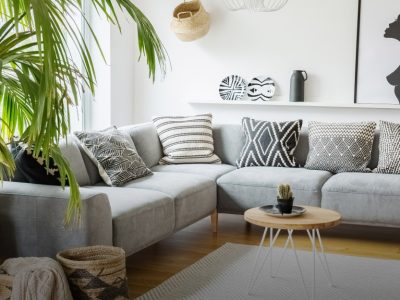
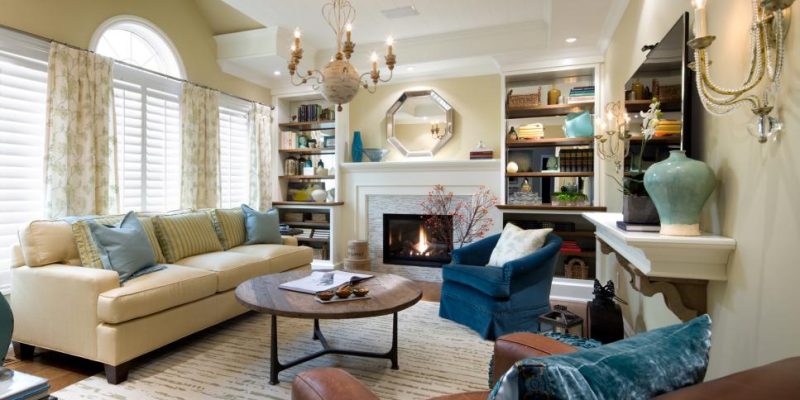
The living room serves as the social hub of the home, requiring an arrangement that fosters connection and open communication. Arrange seating options in conversational groupings, ideally with the main sofa backed by a solid wall rather than floating in the center of the room. Ensure natural light can flood the space during the day, and use soft, rounded textiles to take the edge off sharp architectural corners.
In the kitchen, the stove represents wealth and physical nourishment. Keep the burners meticulously clean and use them regularly, rotating between different burners to symbolize expanding your avenues of opportunity. Avoid placing the stove directly opposite the kitchen sink, as the conflicting elements of fire and water can create domestic tension.
The Subtle Power of Mirrors and Light
Light is the ultimate purveyor of Qi, capable of instantly dispelling stagnant energy from dark, neglected corners. A well-lit home naturally vibrates at a higher, more positive frequency. Maximize natural sunlight by keeping window glass clean and using lightweight, sheer window coverings that allow light to penetrate deep into the interior.
Mirrors function as powerful energetic amplifiers in Feng Shui design. They can expand a narrow hallway, bring light into a dark corner, and bounce positive energy throughout a room. However, their placement requires careful consideration. Avoid positioning a mirror directly opposite the front door, as it will bounce the incoming fresh Qi right out of the house before it can circulate. Similarly, ensure mirrors do not reflect chaotic spaces like piles of laundry or trash cans, as they will visually double the energetic impact of that clutter.
Sustaining the Harmony
Optimizing the energy flow of your home is not a single, static event. As the seasons change and your personal goals evolve, your living environment should adjust accordingly. By regularly clearing physical pathways, balancing the natural elements, and respecting the commanding positions within your rooms, you transform your household into an active partner that supports your health, fuels your creativity, and welcomes peace into your daily life.
Frequently Asked Questions
Can artificial plants be used as a substitute for real plants to represent the wood element?
While silk or high-quality faux plants can visually represent the color and shape of the wood element, they do not possess the living, breathing Qi of an actual plant. Real plants actively purify the air and react to the environment, making them far superior for energetic optimization. If you lack a green thumb, choose highly resilient, low-maintenance varieties like pothos, snake plants, or ZZ plants.
What is a Bagua map and how is it used in basic residential Feng Shui?
The Bagua map is an energetic grid used to analyze a home layout, dividing a floor plan into nine distinct areas that correspond to specific life categories, such as wealth, career, relationships, and health. In basic modern applications, the map is aligned with the wall containing the main entrance door. This allows homeowners to identify which rooms govern specific areas of their lives and optimize them using targeted colors and elements.
Is it bad Feng Shui to have a bathroom located directly opposite the front entry door?
Yes, this layout is considered challenging because the bathroom represents draining water energy. When located directly opposite the main entrance, the incoming Qi can be immediately pulled down the drains before it can benefit the rest of the house. To correct this, keep the bathroom door closed at all times, utilize a mirror on the outside of the bathroom door to reflect energy away, or place a visually engaging piece of art to divert attention.
How should family photos be displayed throughout the home according to Feng Shui?
Family photos are filled with active, emotional energy and are best suited for social areas of the home, such as the living room, family room, or main hallways. It is generally advised to avoid placing large family photos in the primary bedroom. The bedroom should remain focused exclusively on rest and the intimate partnership of the couple, and having photos of children or extended family can subconsciously disrupt that specific energy.
What are the rules regarding the placement of water features like indoor fountains?
Water features are excellent for stimulating wealth and career energy, but they must be placed in active areas like the living room or the entry foyer. The water should always flow toward the inside of the home, symbolizing abundance flowing in, rather than toward an exterior wall or door. Never place a water feature in the bedroom, as the moving energy of water directly conflicts with the still, quiet atmosphere required for restful sleep.
How does a sloped or vaulted ceiling affect the energy flow of a bedroom?
Sloped or vaulted ceilings create uneven atmospheric pressure and compress energy downward. If a bed is placed under the lowest point of a sloped ceiling, the person sleeping beneath it may experience disturbed sleep, headaches, or low energy. If you cannot move the bed to a section with a flat ceiling, you can visually lift the energy by using uplighting fixtures or painting the ceiling a light, airy color.
What can I do if my home has a long hallway that feels narrow and dark?
Long, narrow hallways act like wind tunnels, causing Qi to move too rapidly and aggressively through the house. To slow the energy down and make it gentler, stagger artwork down both sides of the hallway rather than lining frames up perfectly. Introducing an attractive runner rug with horizontal patterns or placing small, warm lighting fixtures along the path also helps soften and distribute the flow.