 By Samuel Jose
For many families in Singapore, fitness is no longer seen as an individual pursuit. Parents want their children to build healthy habits early, seniors are seeking mobility and longevity, and working adults are searching for balance amidst a demanding lifestyle. In this context, finding the best gym singapore is about much more than advanced machines or fancy amenities, it is about discovering a space where everyone in the household feels welcome and supported.
When a gym provides programmes and facilities tailored for all age groups, fitness becomes a shared activity that strengthens family bonds and instils values of discipline and wellness. This article explores how families can select the right environment, what benefits different generations gain, and why the family-centric approach is becoming a core part of Singapore’s gym culture.
Why families are turning to gyms together
Fitness used to be segmented, with adults training at gyms, children playing outdoors, and seniors focusing on basic walking routines. But modern gyms in Singapore now offer services that unify these experiences under one roof.
Key drivers for family fitness
-
Time efficiency: Families can work out together instead of managing multiple schedules at separate locations.
-
Role modelling: Parents demonstrate healthy behaviour, encouraging children to adopt it naturally.
-
Safety and guidance: Structured classes reduce the risk of injuries while ensuring age-appropriate progressions.
-
Shared motivation: Training as a group builds accountability, making it easier to stay consistent.
Facilities that matter in a family-focused gym
The best facilities for families offer more than just treadmills and weights. They build environments that cater to diverse needs without compromising quality.
Child-friendly features
-
Kids’ fitness studios with engaging programmes like dance, martial arts, or obstacle-based training.
-
Certified trainers who understand child physiology and focus on fun rather than competition.
-
Safety protocols including cushioned flooring, supervised sessions, and small class sizes.
Adult-focused amenities
-
Dedicated strength and conditioning zones for parents seeking structured workouts.
-
Group classes that fit into work schedules, such as early morning or lunchtime sessions.
-
Recovery areas where adults can decompress after a long day.
Senior-supportive options
-
Low-impact equipment such as recumbent bikes, resistance bands, and cable machines.
-
Specialised mobility and balance classes tailored to prevent falls.
-
Guidance on joint-friendly exercise routines to maintain independence.
How families can structure their training week
Designing a balanced family routine is about variety and consistency. A sample framework might look like this:
-
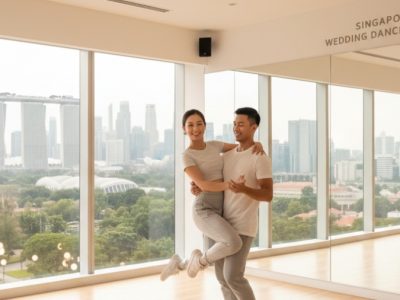
Monday evening: Parents attend a strength class while children join a supervised dance fitness programme.
-
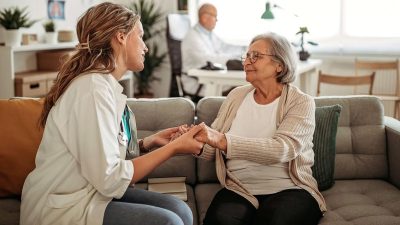
Wednesday afternoon: Grandparents join mobility training while parents take part in a 30-minute express cardio session.
-
Friday evening: Family yoga or circuit-based training that includes movements everyone can perform together.
-
Weekend morning: Outdoor boot camp or gym-organised family activity day.
This approach allows everyone to train without competing for the same space or schedule.
The mental and social benefits of family fitness
Family-based gym routines provide more than physical outcomes. They also address emotional health and social connections.
-
Children: Build confidence, discipline, and teamwork skills.
-
Adults: Reduce stress while enjoying quality bonding time.
-
Seniors: Stay mentally sharp through regular engagement and movement.
-
Families as a whole: Strengthen relationships by sharing milestones and progress.
How True Fitness Singapore reflects family-friendly principles
Families looking for convenience and comprehensive offerings often choose facilities that provide structured options for different age groups. At True Fitness Singapore, members can explore diverse programmes that appeal to children, parents, and seniors alike. This inclusivity ensures that every visit to the gym becomes an opportunity for families to build stronger habits together.
Practical tips for parents choosing a gym
-
Tour the facility during peak hours to see how well different groups are accommodated.
-
Ask about trial classes for kids and seniors before committing to memberships.
-
Check whether the gym offers family packages or discounts to make the commitment cost-effective.
-
Ensure there are nutrition seminars or workshops to complement training with healthy eating.
-
Verify staff credentials, especially those working with children and older adults.
Frequently Asked Questions
Q. How young can children start training at a gym
Ans. Most gyms recommend starting from around 5 to 6 years old with playful, movement-based classes. Structured strength or conditioning routines are generally introduced at older ages with close supervision.
Q. Is it safe for seniors with medical conditions to join family-oriented gyms
Ans. Yes, provided they receive medical clearance first. Gyms with specialised senior programmes typically design low-impact sessions that accommodate common conditions like arthritis, hypertension, or diabetes.
Q. What if family members have different fitness levels
Ans. Gyms with tiered programming can scale exercises for each individual. For example, a circuit class may offer variations of the same movement for beginners, intermediates, and advanced participants.
Q. How can parents encourage children to stay consistent
Ans. Consistency improves when fitness feels like play. Choose gyms that run engaging, age-appropriate classes and celebrate small achievements with your children. Parental participation is also key, since children imitate habits they see at home.
Q. Are family gym memberships cost-effective compared to individual ones
Ans. In many cases, yes. Family memberships bundle multiple access passes into one package, often at a discounted rate. This eliminates the need for separate memberships across different facilities.
Q. Do family-focused gyms offer nutrition guidance
Ans. Some do. Workshops, seminars, or nutrition stations within the gym can provide helpful advice to ensure that exercise efforts are supported by proper eating habits at home.